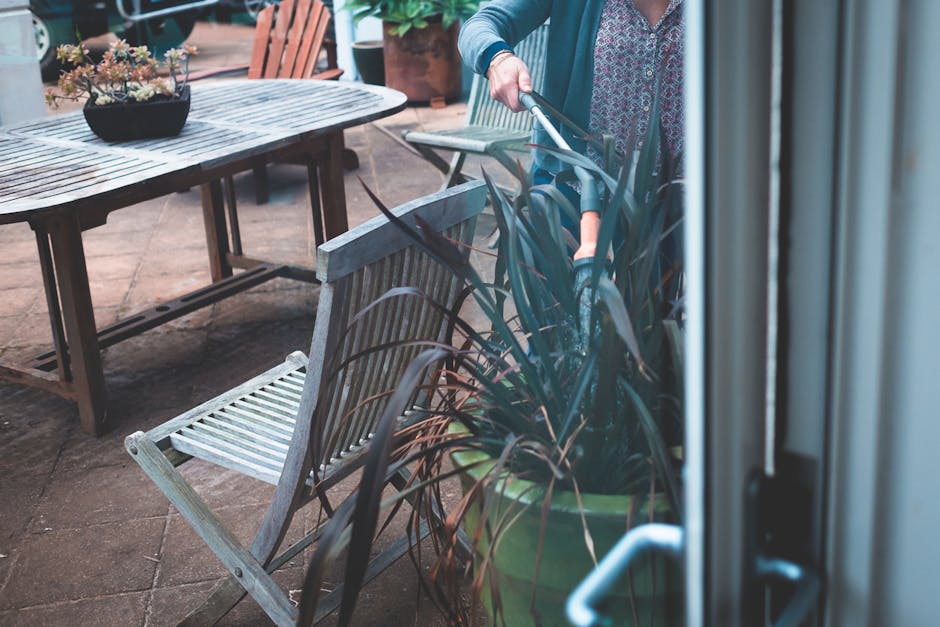
Garden maintenance SW1P guide for Millbank terraces
If you live on a terrace in Millbank, you already know the truth: a small garden can be surprisingly demanding. Wind off the river, shaded corners, tricky access, containers drying out faster than you expect, and plants that seem to do brilliantly for one week and then sulk for the next. This Garden maintenance SW1P guide for Millbank terraces is here to make the whole thing feel manageable. Whether your outdoor space is a neat front patch, a rear courtyard, or a compact split-level terrace garden, the goal is the same: keep it healthy, tidy, and pleasant to use without turning every weekend into a chore.
In a place like SW1P, garden care is rarely about grand gestures. It is usually about steady, practical maintenance done at the right time. That means mowing, trimming, pruning, clearing leaves, refreshing soil, checking drainage, and making sensible planting choices for urban conditions. Done well, it can transform how your property feels. Done badly, well... you end up with a patch of stressed plants, muddy paving, and that slightly defeated feeling when you look out of the window on a damp Tuesday morning.
This guide walks through what garden maintenance for Millbank terraces actually involves, how it works in real life, and how to choose the right approach for your space. It also covers common mistakes, useful tools, compliance and best practice, plus a simple checklist you can return to whenever things start slipping.
Table of Contents
- Why Garden maintenance SW1P guide for Millbank terraces Matters
- How Garden maintenance SW1P guide for Millbank terraces Works
- Key Benefits and Practical Advantages
- Who This Is For and When It Makes Sense
- Step-by-Step Guidance
- Expert Tips for Better Results
- Common Mistakes to Avoid
- Tools, Resources and Recommendations
- Law, Compliance, Standards, or Best Practice
- Options, Methods, or Comparison Table
- Case Study or Real-World Example
- Practical Checklist
- Conclusion
- Frequently Asked Questions
Why Garden maintenance SW1P guide for Millbank terraces Matters
Terrace gardens in Millbank are often more exposed and more overlooked than people expect. The space might be small, but the conditions can be awkward: a narrow strip by the pavement, a sheltered courtyard that stays damp, or a raised area where containers get blasted by wind and dry out fast. A garden like that does not usually fail all at once. It slips, little by little, until the whole place feels harder to enjoy.
Regular garden maintenance matters because it keeps small problems small. A few missed weeds become a rooted mess. A hedge left too long turns scruffy and blocks light. Fallen leaves on paving become slippery. Pots without fresh compost stop performing. In a terrace setting, these issues are not just cosmetic either. They can affect access, safety, privacy, and even the way your home feels from inside.
There is also the simple matter of neighbourhood presentation. Millbank has a smart, lived-in London character, and many residents value outdoor spaces that look cared for without being overly formal. A tidy terrace garden does not need to be immaculate. It needs to look intentional. That is a small distinction, but it matters. You can feel it when you step outside.
For landlords, managing agents, or owners preparing a property for sale or letting, maintenance carries an extra layer of value. A well-kept garden can make a terrace feel bigger, brighter, and more usable. It sends the right signal straight away, which in London is never nothing.
How Garden maintenance SW1P guide for Millbank terraces Works
Good garden maintenance is not one big job. It is a rhythm. In practical terms, it usually combines routine visits, seasonal work, and occasional heavier clearance or improvement work. For terrace gardens, that rhythm needs to suit the space rather than fight it.
Most maintenance plans begin with a basic assessment: what is growing, what is failing, what is blocked, and what needs regular attention. From there, the work usually falls into a few repeatable categories:
- Lawn care, if there is turf, including mowing, edging, feeding, and moss control where appropriate.
- Pruning and trimming for shrubs, climbers, hedges, and any plants edging paths or fences.
- Weed control for beds, paving cracks, borders, and container edges.
- Leaf and green waste removal so surfaces stay safe and plants get more light and air.
- Plant care, such as deadheading, staking, watering support, mulching, and soil improvement.
- Seasonal refreshes like re-potting, soil top-ups, bulb planting, or replacing tired annuals.
For many SW1P terraces, the smartest approach is a blended one: light but regular maintenance through the growing season, then more focused attention in spring and autumn. That is often more effective than waiting until everything looks messy and doing one heroic cleanup. Let's face it, heroic cleanups sound good in theory and then leave you aching the next day.
Access is another factor. Terrace gardens in Millbank may have side passages, shared entrances, basement steps, or limited storage. That means maintenance has to be planned around how tools and waste move in and out. A neat plan matters as much as neat planting.
If you already have a service in place, it can help to see how broader property care is handled too. Some homeowners prefer to align outdoor work with other upkeep, and pages such as services overview and garden maintenance can be useful reference points when deciding what level of support makes sense.
Key Benefits and Practical Advantages
There are obvious benefits to keeping a terrace garden tidy, but the real value often shows up in small, daily ways.
1. Better first impressions. A well-kept garden makes the whole property feel more balanced. Even a compact courtyard looks more generous when the edges are clean and the planting is under control.
2. Healthier plants. Regular pruning, feeding, watering, and soil care reduce stress on plants. In urban settings, that matters because plants already deal with reflected heat, shade, pollution, and occasional neglect.
3. Safer surfaces. Moss, algae, fallen leaves, and overgrown edges can all make paths and steps slippery or awkward. Maintenance reduces those risks before they become an issue.
4. More usable space. A terrace garden should invite you out, not ask you to negotiate a tangle of stems and pot trays. When the layout is kept open, you actually use it more.
5. Less long-term cost. Small regular jobs often cost less than recovery work after months of neglect. A bit of attention now can save replacement plants, soil remediation, or larger clearance later.
6. Privacy and comfort. In terrace gardens, hedge lines, climbers, and screen planting often do double duty. Keep them maintained and they keep doing their job well.
A tidy terrace garden is not just about appearances. It is about making a small London outdoor space feel calm, usable, and worth stepping into on an ordinary day.
There is something quietly satisfying about that. You open the back door, and instead of thinking "I must sort that out," you think "actually, this is nice." Small win. Big difference.
Who This Is For and When It Makes Sense
This kind of maintenance is relevant to a wide range of Millbank residents and property owners. If any of the following sound familiar, the guide is probably for you.
- Homeowners who want a good-looking outdoor space without spending every spare weekend on it.
- Flat owners with shared or private terraces who need help keeping containers, planters, and paved areas under control.
- Landlords and agents who want outdoor areas to support lettings, inspections, or viewings.
- Busy professionals who value the garden but need a practical, repeatable upkeep plan.
- Older properties where mature planting, awkward corners, or climbing growth need experienced attention.
- Anyone recovering from neglect and needing a reset before returning to routine maintenance.
It makes sense to bring in help when the garden starts taking more energy than it gives back. That can be after winter, after a long holiday, before a property event, or simply when the paving is looking tired and the planting has gone a bit wild. No shame in that. Honestly, gardening has a sneaky way of accelerating when you are not looking.
It also makes sense if you have valuable or sensitive planting. Mature climbers, clipped hedges, specimen shrubs, and mixed borders benefit from careful handling. The wrong cut can set them back for months.
Step-by-Step Guidance
If you want a terrace garden in SW1P to stay manageable, it helps to follow a sensible maintenance sequence. You do not need to do everything at once. In fact, trying to do everything at once is usually how people end up doing half of everything and hating the weekend.
1. Start with a full walkthrough
Look at the space as if you were seeing it for the first time. Check the condition of paths, edging, pots, borders, fences, trellises, and any lawn or artificial turf. Note where water collects, where weeds appear first, and which areas get the most shade or sun.
2. Clear obvious debris
Remove leaves, broken stems, dead annuals, old labels, pot saucers, and anything else that clutters the space. This instantly makes the garden easier to work in and helps you see what really needs attention.
3. Tackle pruning and trimming
Cut back overgrown shrubs, hedge lines, and climbers with care. The goal is structure, not a harsh haircut. If a plant flowers on old wood or has a specific pruning season, time the work properly. A quick tidy can be brilliant. A heavy-handed cut, not so much.
4. Weed and edge borders
Weeds are easier to remove when the ground is slightly moist, but not sodden. Tidy edging helps define the garden and makes the whole area look more deliberate. In terrace gardens, those clean lines really matter because the space is usually compact.
5. Refresh soil and mulch
Container compost, border soil, and mulch all lose quality over time. Top them up where needed. This improves moisture retention, suppresses weeds, and helps plants cope with heat or drought spells.
6. Inspect watering needs
Check how quickly containers dry out and whether any irrigation or watering schedule needs adjusting. South- and west-facing terraces may need much more attention than people expect, especially in summer.
7. Finish with waste removal and a final tidy
Bag up green waste, sweep hard surfaces, and make sure tools are put away. The final tidy is not a bonus. It is part of the job. A garden only feels properly maintained when the working mess has gone too.
If you prefer a more structured service, it can help to compare maintenance with related support such as lawn mowing, hedge trimming, or garden clearance, depending on what your terrace actually needs. Different gardens, different priorities.
Expert Tips for Better Results
After a while, you notice that the best terrace gardens are not necessarily the biggest or fanciest. They are the ones that are looked after with consistency and a bit of judgement.
Work with the microclimate. Millbank terraces can have pockets of shade, reflected heat from nearby buildings, and sheltered corners where mildew likes to linger. Choose plants and maintenance routines around those realities, not against them.
Use containers strategically. Pots are brilliant for changing conditions and adding colour, but they need more feeding and watering than many people realise. If containers look tired, repotting or refreshing the top layer of compost can make a big difference.
Prune for light as well as shape. In a terrace garden, sunlight is gold. Opening up a shrub or climber slightly can improve the feel of the whole space. Not too much, just enough.
Keep a seasonal eye on drainage. After heavy rain, check whether water lingers on paving or around beds. Poor drainage left alone can create messy edges, moss growth, and root stress.
Do less, more often. That sounds almost too simple, but it works. Ten minutes of observation can save an hour of chasing problems later.
One more thing: do not overfeed everything because it looks sad. Sometimes tired-looking growth needs pruning, not fertiliser. It is a common mix-up, and a harmless one if corrected early. Plants are patient, but they do keep score.
Common Mistakes to Avoid
Terrace gardens fail in predictable ways. The good news? Most of the mistakes are easy to avoid once you know what to watch for.
- Leaving pruning too late. Growth becomes dense, light levels drop, and the job gets harder.
- Ignoring weed build-up in paving gaps. Small weeds become rooted and awkward to remove.
- Overwatering containers. Too much water can be just as damaging as too little, especially where drainage is poor.
- Using the same care routine all year. Spring, summer, autumn, and winter each ask for different attention.
- Forgetting access and waste handling. If green waste piles up, the garden stops feeling usable fast.
- Cutting hedges or climbers too aggressively. Some plants do not forgive a rough hand, at least not quickly.
- Choosing plants that hate the site conditions. A plant that loves a sunny rural border may hate a shaded, windy terrace.
Another common issue is trying to make a terrace garden do too many jobs. If the space is also used for sitting, storage, drying laundry, and maybe the occasional potted herb setup, the layout needs to be realistic. Otherwise the whole thing becomes cramped. You know the feeling.
Tools, Resources and Recommendations
You do not need a shed full of specialist kit to maintain a Millbank terrace garden properly. In many cases, a compact and sensible toolset is enough.
| Tool or resource | Best use | Why it helps in terrace gardens |
|---|---|---|
| Hand shears | Trimming small shrubs and soft growth | Good control in tight spaces and around pots |
| Secateurs | Deadheading, light pruning, stem removal | Precise cuts without disturbing nearby planting |
| Rake or hand fork | Leaf clearance and soil surface work | Useful where debris gathers around borders and paving |
| Watering can or hose with control | Targeted watering | Helps avoid waste and overwatering in containers |
| Mulch or compost | Soil improvement and moisture retention | Supports healthier planting with less frequent watering |
| Waste bags or bins | Green waste collection | Keeps clear-up efficient and tidy |
If you are deciding whether to do the work yourself or get support, look at the garden honestly. A light seasonal tidy is one thing. A full reset after months of growth is another. Service options linked to landscape gardening, landscaping, or tree lopping and removal may be relevant if the job has moved beyond routine upkeep.
For homeowners who care about how waste is handled, it is worth thinking about sustainability too. Responsible disposal, composting where possible, and choosing materials that last all help reduce the repeated churn that small gardens can create. If that matters to you, a page like recycling and sustainability can be a useful place to start within the broader site.
Law, Compliance, Standards, or Best Practice
Most routine garden maintenance is straightforward, but in London it is still wise to keep a few best-practice points in mind. This is especially true where shared access, noise, waste, trees, or contractor safety are involved.
Waste handling: Green waste should be collected and disposed of responsibly. If you are using a contractor, ask how cuttings, soil, and removed plant material will be taken away. Good practice is to keep the site clear and avoid leaving bags sitting around for days.
Noise and timing: In residential terraces, it is sensible to schedule louder work at considerate hours. That applies to hedge cutting, powered tools, and waste loading. You do not need to be overly formal about it; just neighbourly.
Safety: Good garden work should follow sensible health and safety practice, especially where ladders, hedge tools, or heavier clearance are involved. If a job feels awkward or risky, it is better handled with proper equipment and experience. The site's health and safety policy and insurance and safety pages may help reassure you about how a professional service approaches that side of the work.
Shared boundaries and property lines: In terrace settings, overhanging growth and boundary maintenance can become sensitive. A careful, measured approach avoids disputes and keeps everything looking tidy on both sides.
Tree work: If there are mature trees or larger woody plants close to the building or neighbouring boundaries, this is not a casual job. Tree management often needs proper judgement, and sometimes specialist attention.
Best practice, in plain English, is simple: maintain regularly, work safely, respect neighbours, and do not force the garden into a shape it does not want to hold.
Options, Methods, or Comparison Table
There is more than one way to maintain a Millbank terrace garden. The right choice depends on time, budget, and how much the space matters to you day to day.
| Approach | Best for | Pros | Trade-offs |
|---|---|---|---|
| DIY routine upkeep | Small gardens with light work | Flexible, low ongoing cost, very personal | Time-consuming; easy to let tasks slip |
| Monthly professional visits | Busy households and tidy terrace gardens | Consistent care; good for keeping on top of growth | Costs more than doing it yourself |
| Seasonal reset plus DIY in between | Spaces that need occasional expert input | Good balance of support and control | Requires you to keep up the lighter jobs |
| Full garden clearance then rebuild | Overgrown or neglected terraces | Fast reset; gives you a clean starting point | More disruptive; may need follow-up maintenance |
For many SW1P terraces, the sweet spot is a blend: an initial tidy or clearance, followed by a lighter regular maintenance schedule. That avoids the boom-and-bust cycle where the garden goes from overwhelming to perfect and then back again. A little boring, maybe. Very effective, absolutely.
Case Study or Real-World Example
Picture a typical Millbank terrace with a paved rear garden, two raised beds, several containers, and a narrow strip of lawn or synthetic grass. By late spring, the rosemary has spilt over the edge of a planter, the climber is shading one corner, and windblown leaves have gathered under the bench. Nothing dramatic. Just enough to make the space feel less crisp than it once did.
The maintenance plan in a situation like that would usually start with a clear sweep and waste removal, then move to pruning the overgrown stems, weeding the paving joints, checking drainage near the back wall, and refreshing the compost in containers. A light feed for the beds, a trim to open up the seating area, and a proper final tidy would usually make the biggest difference.
What tends to surprise people is how much larger the garden feels after that work. Not physically larger, of course. But the eye can move through it more easily. Light reaches the back. Edges are visible again. The whole terrace feels calmer. And if you are the one living with it, that calm matters more than a perfect Instagram moment ever could.
That is the real value of good garden maintenance in SW1P: not perfection, but usability. Not showiness, but ease.
Practical Checklist
Use this checklist to keep a Millbank terrace garden on track through the year:
- Walk the garden and note any problem areas.
- Remove leaves, dead stems, and general debris.
- Check hedges, climbers, and shrubs for overgrowth.
- Weed borders, paving gaps, and container edges.
- Edge lawns or planting lines where relevant.
- Inspect drainage after rain.
- Refresh compost, soil, or mulch where needed.
- Adjust watering for sun, shade, and container exposure.
- Collect and remove green waste responsibly.
- Do a final sweep so the space feels finished, not half-done.
Quick expert summary: If you only remember one thing from this guide, make it this: terrace gardens stay attractive through small, regular, site-specific care. Not big bursts. Not vague hope. Just steady attention, adapted to the light, the wind, and the way the space is actually used.
Get a free quote today and see how much you can save.
Conclusion
A well-maintained terrace garden in SW1P does more than look neat. It softens the edges of city living. It gives you a place to pause with a coffee, open a window without seeing chaos, and feel that your outdoor space is genuinely part of the home. That is especially true in Millbank, where terrace gardens often need to work hard in a relatively small footprint.
The best results come from sensible routines, practical timing, and an honest understanding of what the garden needs. Keep the pruning light and regular. Stay on top of weeds and waste. Respect the conditions. And when the job starts feeling bigger than a weekend, take that as a sign to reset the plan rather than push through blindly.
Small garden, yes. Small effort, not always. But with the right maintenance, the space can feel calm, inviting, and surprisingly generous. That is the lovely part, really.
Frequently Asked Questions
What does garden maintenance for a Millbank terrace usually include?
It usually includes mowing if there is lawn, trimming hedges and shrubs, weeding, leaf clearance, deadheading, watering support, and keeping paths, borders, and containers tidy. Some gardens also need occasional clearance or light landscaping.
How often should a terrace garden in SW1P be maintained?
Most terrace gardens benefit from light maintenance every one to four weeks during the growing season, with seasonal resets in spring and autumn. The right frequency depends on how much planting you have, how exposed the garden is, and how quickly it grows.
Why do terrace gardens in Millbank need different care from suburban gardens?
Urban terraces can be windier, shadier, more exposed to reflected heat, and tighter on space. They also tend to rely more on containers, paved surfaces, and compact planting, so watering, pruning, and drainage need a more tailored approach.
Is it better to choose regular maintenance or occasional clearances?
Regular maintenance is usually better for keeping a garden consistently tidy and healthy. Occasional clearances are useful if the space has been neglected or needs a reset, but they do not replace ongoing care.
Can a small terrace garden still look high-end with simple maintenance?
Absolutely. In fact, small gardens often benefit the most from clean edges, healthy planting, and a clear layout. Good maintenance can make a compact space feel polished without needing expensive changes.
What are the hardest parts of maintaining a terrace garden?
The usual trouble spots are container watering, weed control in paving gaps, pruning plants without damaging shape, and managing waste. Access can also be awkward, especially in narrow terraces or shared properties.
Do I need professional help for hedge trimming or pruning?
Not always, but it can be sensible if the hedge is tall, the plant is valuable, or the access is awkward. A professional approach can reduce the risk of poor cuts and help maintain a better long-term shape.
How can I tell if my garden needs a full clearance?
If paths are blocked, weeds are widespread, plants are collapsing into one another, or the garden feels difficult to use, a full clearance may be the right first step. After that, a maintenance routine becomes much easier to manage.
What should I ask before booking garden maintenance?
Ask what tasks are included, how waste will be removed, whether the work is suitable for your garden size and access, and how often visits are recommended. If safety or insurance matters to you, it is fair to ask about that too.
Are there any special considerations for shared terrace gardens?
Yes. Shared access, boundary lines, noise timing, and neighbour agreement all matter more in shared spaces. It helps to be clear about responsibility, especially for pruning, waste disposal, and any work close to fences or walls.
How do I keep a terrace garden looking tidy between visits?
Remove leaves as they fall, deadhead flowers, water containers before they dry out completely, and deal with small weeds before they establish. Tiny habits make a big difference. A little and often, as people say for a reason.
Can garden maintenance help prepare a property for sale or letting?
Yes. A tidy, well-kept garden can improve first impressions and make the outside space feel more usable. For terrace homes, that can be an important part of how the whole property presents.
If you are ready to get your terrace garden back under control, the next step is simple: choose the level of maintenance that fits your space, your time, and the way you want to live in it. The rest becomes much easier from there, and honestly, the garden feels better for it too.